A city facing the ocean
La Rochelle, a story of character
On the Atlantic coast, La Rochelle has always lived with the ocean. Since the 10th century, the city has weathered storms, wars, and hardship. Often ahead of its time in ideas and choices, it has earned its reputation as a city that is both “gorgeous and rebellious.”
From a village to a strategic port
In the 11th century, a small fishing village was founded on a rocky headland: Rupella. Over time, La Rochelle grew into an important Atlantic port, strategically placed for maritime trade.
The freedom of La Rochelle
Thanks to William X of Aquitaine and his daughter Eleanor of Aquitaine, future Queen of France and England, La Rochelle was granted a unique status. In 1199, it elected the first mayor in France. This independence marked the start of a long tradition of municipal freedom.
A thriving medieval port
Freed from feudal dues, trade flourished. Salt, wine, and other products were exported to England and Northern Europe, making La Rochelle a hub of international commerce.
Did you know?
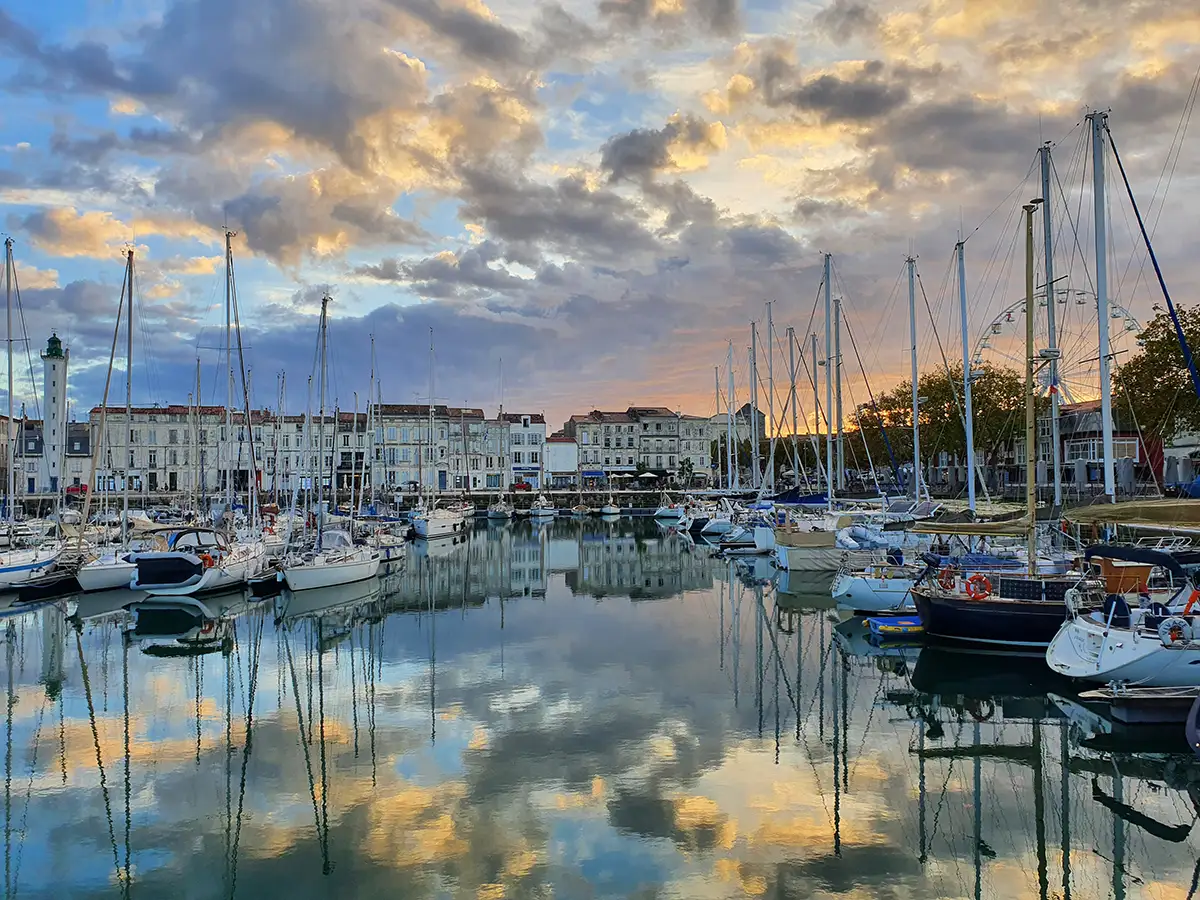
The first port of La Rochelle was on Place de Verdun. It was later moved and expanded at the mouth of a stream, today’s Old Port, with the Saint-Nicolas district, the Gabut, and its iconic towers.
The arcades of the old town sheltered merchants and passers-by from the rain and you can still walk under them today.
Capital of protestantism
Protestant La Rochelle under siege
From the 1530s, Reformation ideas spread widely. In 1568, La Rochelle became the capital of French Protestantism. In 1571, it hosted the first national synod of the Reformed Churches, which adopted the Confession of La Rochelle, a founding text.
The 1628 Siege
A Protestant stronghold supported by England, La Rochelle stood against the King of France. In 1628, Cardinal Richelieu ordered a terrible siege. A seawall blocked access to the harbor, cutting off supplies. After thirteen months of famine, the city surrendered. Of 25,000 inhabitants, only 6,000 survived. La Rochelle lost its privileges and independence.
Did you know?
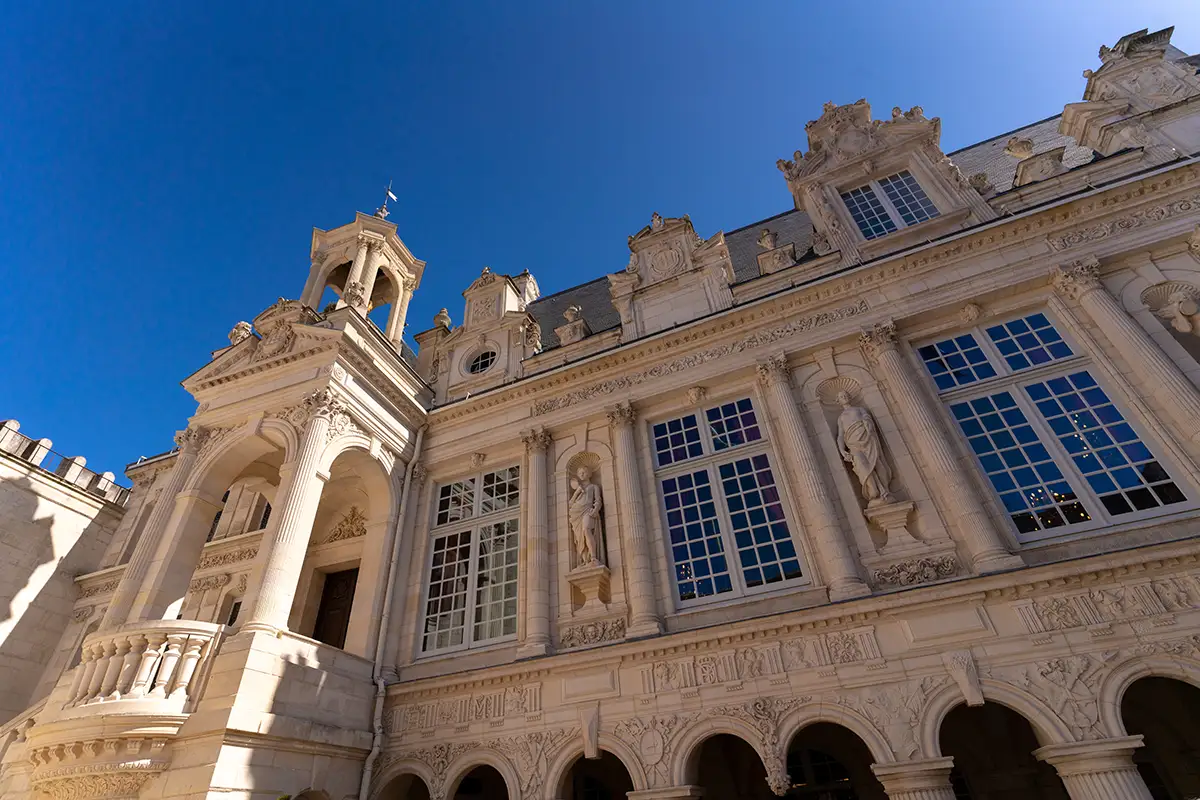
Jean Guiton, the city’s mayor, swore resistance by driving his dagger into his desk at City Hall.
The Richelieu Tower, painted red and black at the harbor entrance, marks where the cardinal’s seawall once stood.
La Rochelle and the New World
Ties with Canada
After the siege, the city turned to the Atlantic. As early as the 16th century, sailors fished cod off Newfoundland. In the 17th and 18th centuries, La Rochelle became a major port of departure for New France. Soldiers, merchants, and families set sail for Canada. Today, French-speaking Canadians still trace their roots to Charente-Maritime.
Did you know?
The “Quebec Trail” in town recalls these links. On Rue de l’Escale, the cobblestones came from the Saint Lawrence River, carried as ballast on ships returning with furs and pelts.
The triangular trade
La Rochelle also took part in trade with the West Indies and in the slave trade. Ships carried goods to Africa, exchanged them for captives, then returned from the Caribbean with sugar, coffee, and spices. This wealth came at the cost of an inhumane commerce.
Did you know?
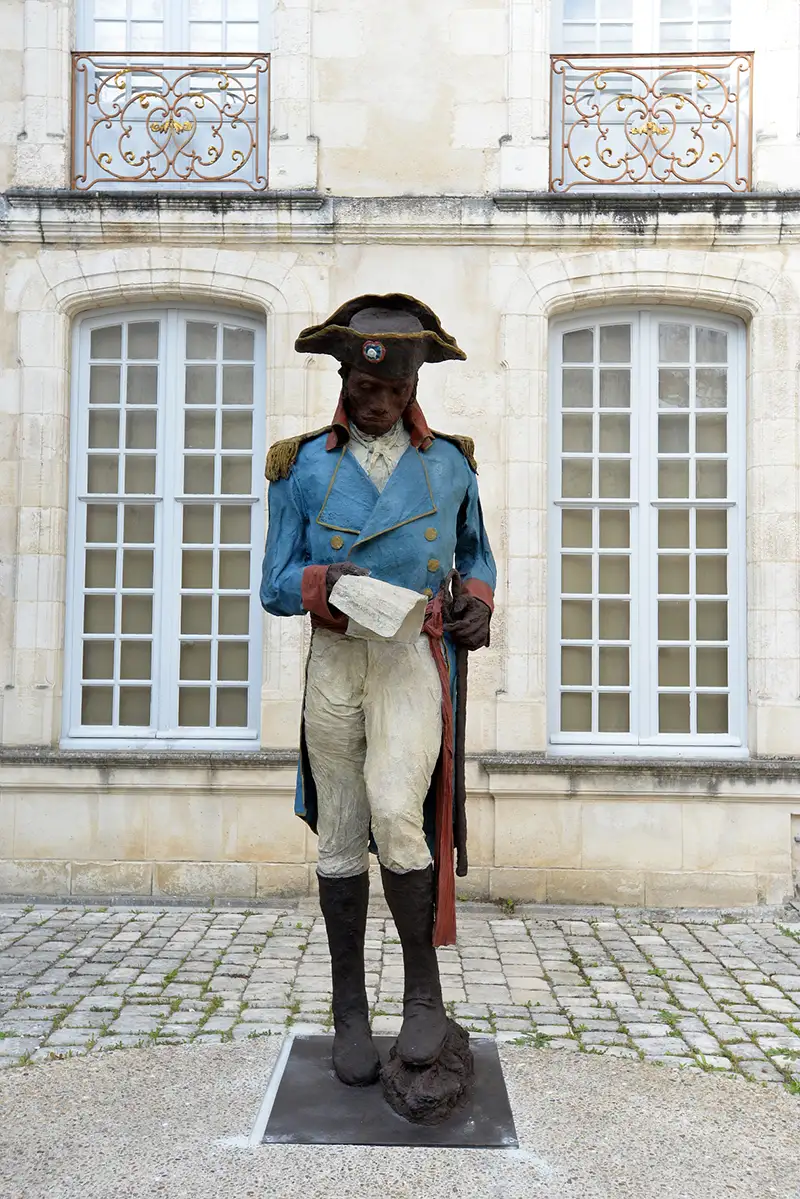
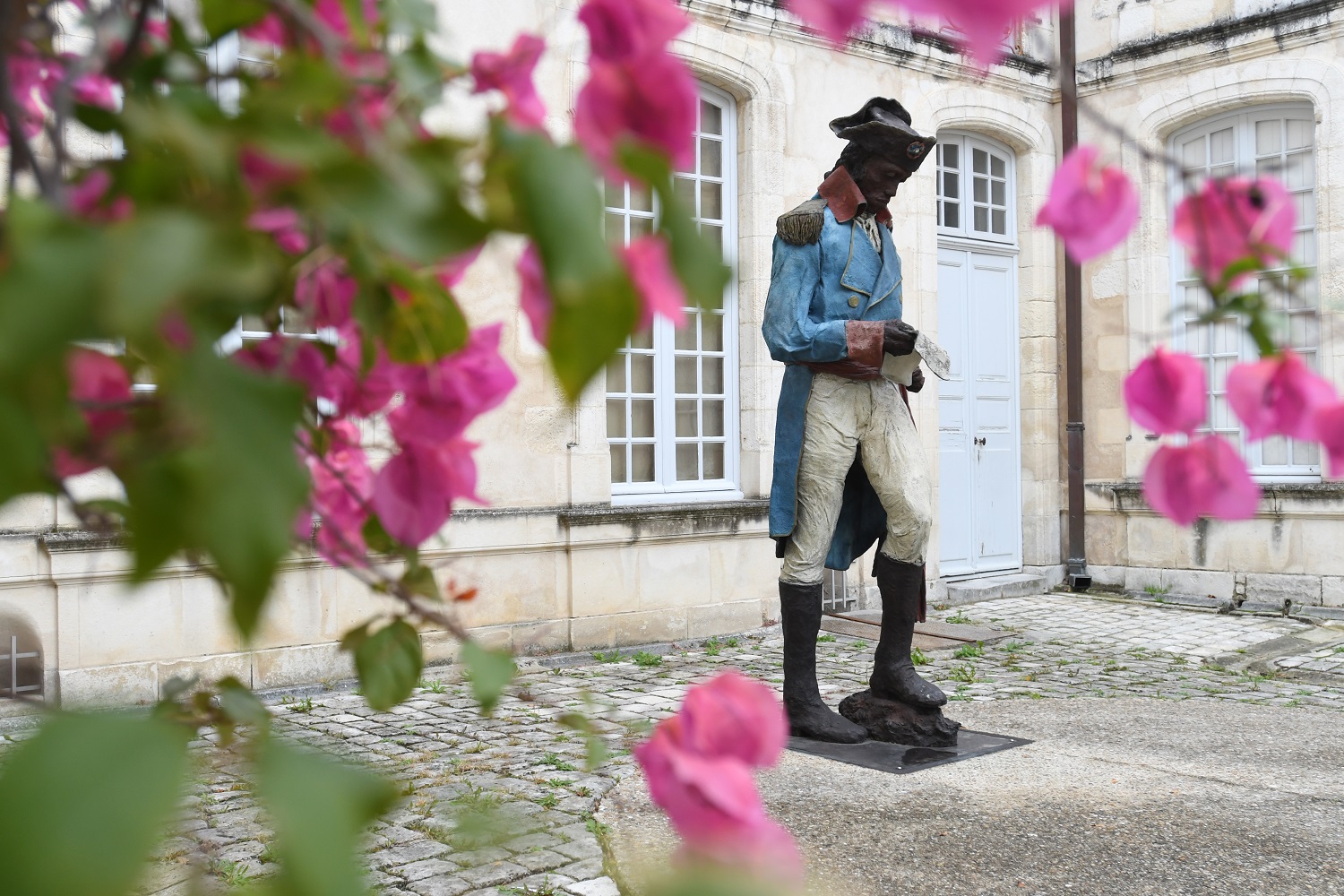
The Museum of the New World, in Hôtel Fleuriau, explores this colonial past. In its courtyard, a statue of Toussaint Louverture, a key figure in abolition, greets visitors.
La Rochelle in the 20th century: war and resistance
In 1890, the deep-water port of La Pallice was inaugurated. Its strategic location attracted the German army during World War II. Between 1940 and 1945, La Rochelle was occupied and integrated into the Atlantic Wall. A submarine base was built in La Pallice.
The city remained under occupation until the very last day of the war. German forces surrendered on 8th May 1945.
Did you know?
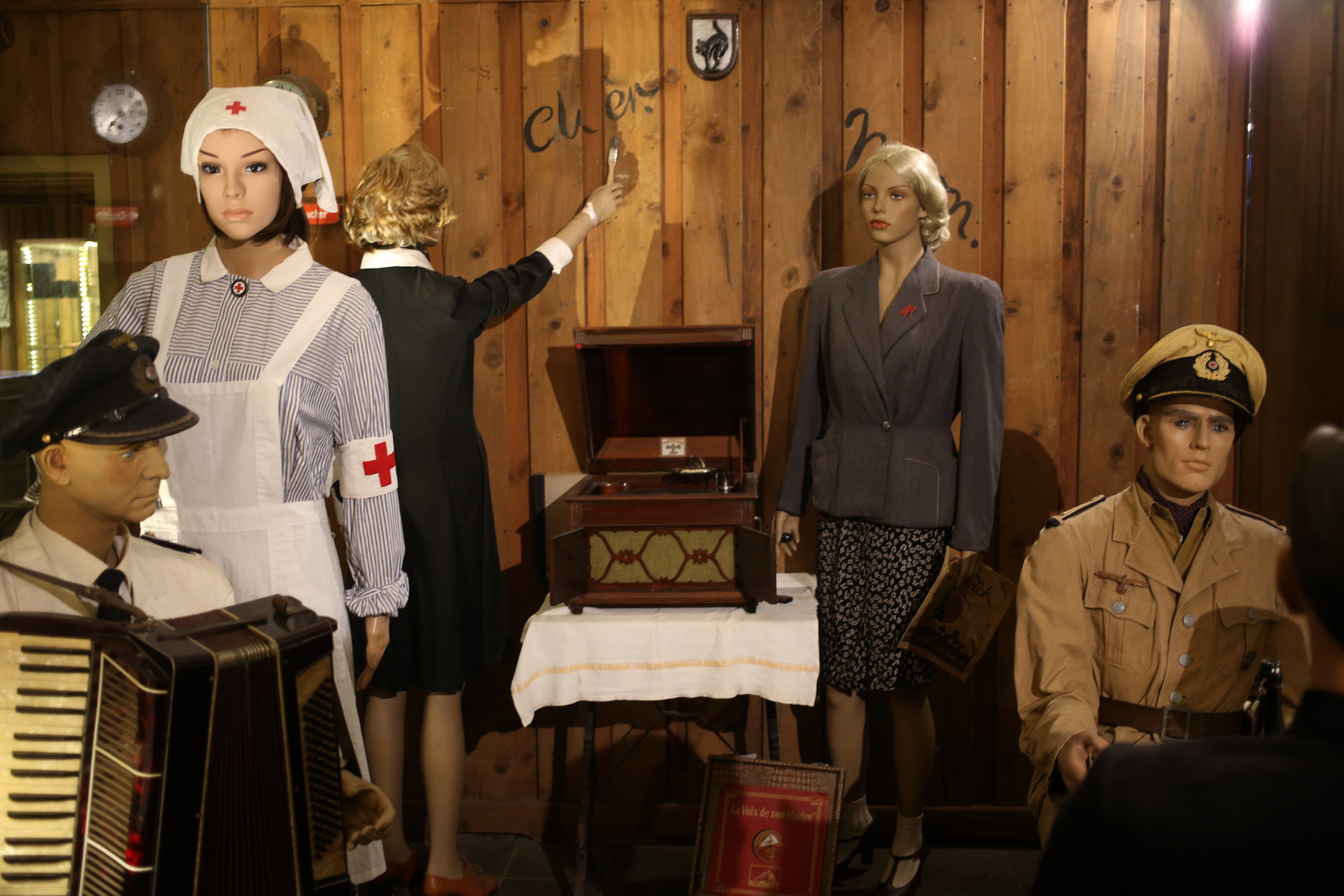
The Bunker Museum tells this story. The submarine base, made famous by several films, is not open to the public but it can be seen from the sea or during Port Open Days.
A pioneer in sustainability
After the war, La Rochelle rebuilt and reinvented itself. The Encan became a convention center, while the Bassin des Chalutiers welcomed the Maritime Museum.
From the 1970s onwards, the city led the way in sustainable innovation:
- creation of the first pedestrian zones,
- car-free days,
- bike-sharing programs,
- electric buses and shared cars.
Today, La Rochelle has set a bold target: to become the first carbon-neutral territory in France by 2030.
Modern pride
- The La Rochelle Aquarium: one of Europe’s largest, committed to protecting oceans and sea turtles.
- The Port des Minimes: the largest marina in Europe.
- Port Atlantique: one of France’s leading commercial ports.
- Stade Rochelais: a Top 14 rugby powerhouse, twice European champion (2022 and 2023).
In La Rochelle, every street, every tower, and every mansion tells a story. A free and resilient city, it has kept its rebellious spirit while moving confidently toward the future.
Museums & places to visit
Thematic

Written by
Nathalie Maynadier