A local tradition

Discover the mussels of Charente-Maritime

There are professions that do more than simply produce. They tell the story of a territory, set its rhythm, and weave a bond between people and nature. Mussel farmers are one of them. Just a stone’s throw from La Rochelle, Yves Bay, Charron, or the Pertuis d’Antioche, mussels are grown as one might tend a garden: with patience, commitment, and humility. These black shiny shellfish are far more than just seafood. They are the result of generations of expertise, a deep respect for the sea, and a sustainable form of marine farming. A subtle balance between human tradition and natural forces.

Mussels

A living treasure of the Charente-Maritime coast

In this pioneering region, Charente-Maritime is the leading mussel-farming department in France, and La Rochelle plays a key role. A lively hub, the city is also the perfect base for discovering mussel farming in a more responsible way.

Along the Charente coastline, mussel farming shapes the landscapes, the food on our plates… and the way we think. We step into the world of those who cultivate the sea, sharing practical ways to experience it firsthand and to engage with it responsibly.

Here, between land and sea, just a short distance from La Rochelle, and on the intertidal flats of Yves Bay, Charron, and the Pertuis d’Antioche, mussels are cultivated with the patience and passion of true “sea farmers.” From prehistoric shorelines to today’s tables, mussels have stood the test of time.

It is a shellfish that speaks of heritage, of traditions passed down through generations, and of respect for natural cycles

Pascal, mussel farmer

Bouchot or rope-grown

Two farming methods

Bouchots as the backbone of production

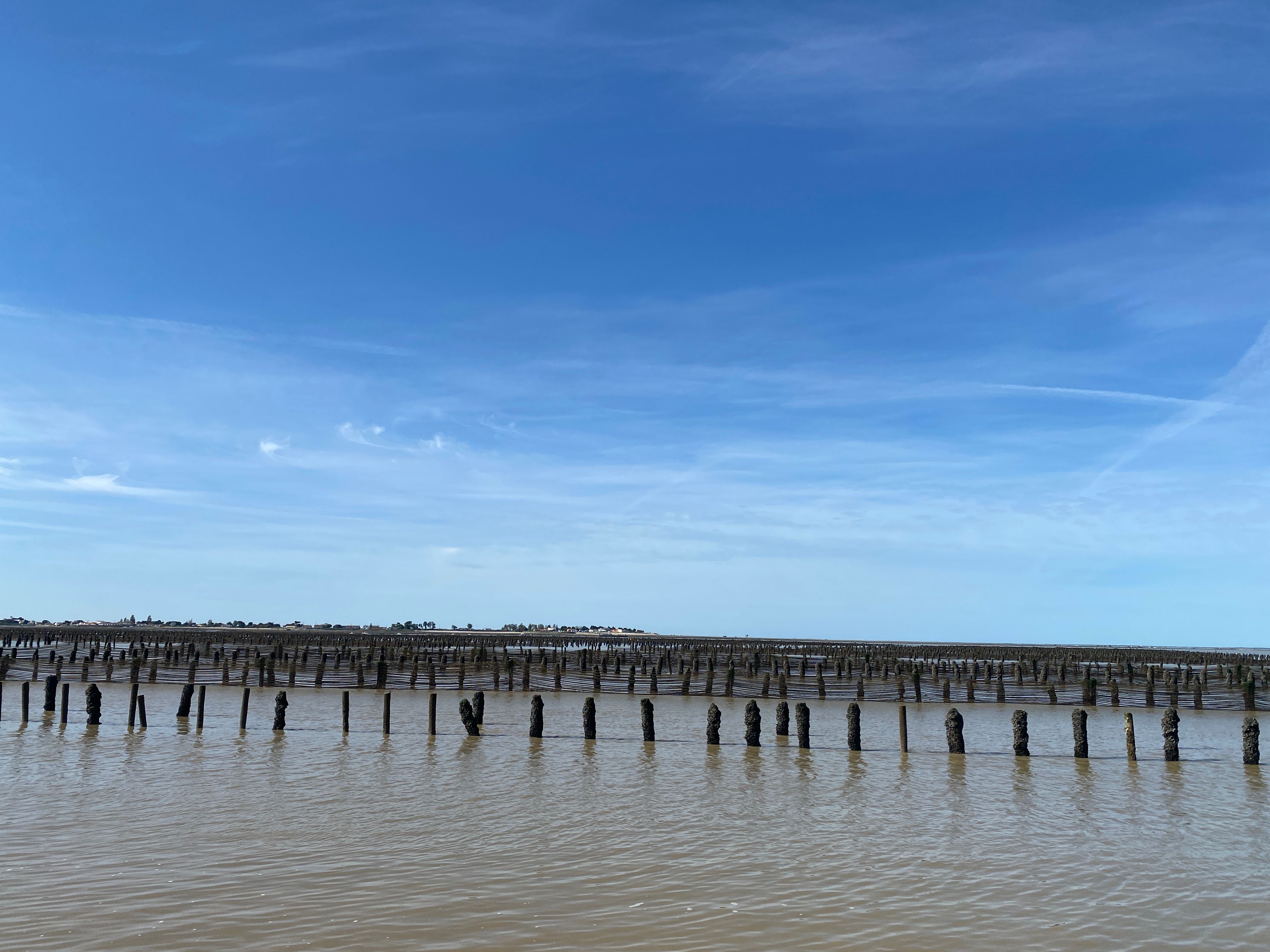
Along the Charente coastline, the famous bouchot mussels grow suspended in the water, protected from sand and parasites, attached to oak stakes driven into the seabed. These marine “forests”, visible at low tide, create a unique, living landscape where raw nature meets human craftsmanship. “As each tide comes and goes, it marks a stage in their growth,” explain workers at the Chef de Baie harbour, where many mussel farmers unload their harvest every day during the season.

Rope-grown mussels: offshore farming at sea

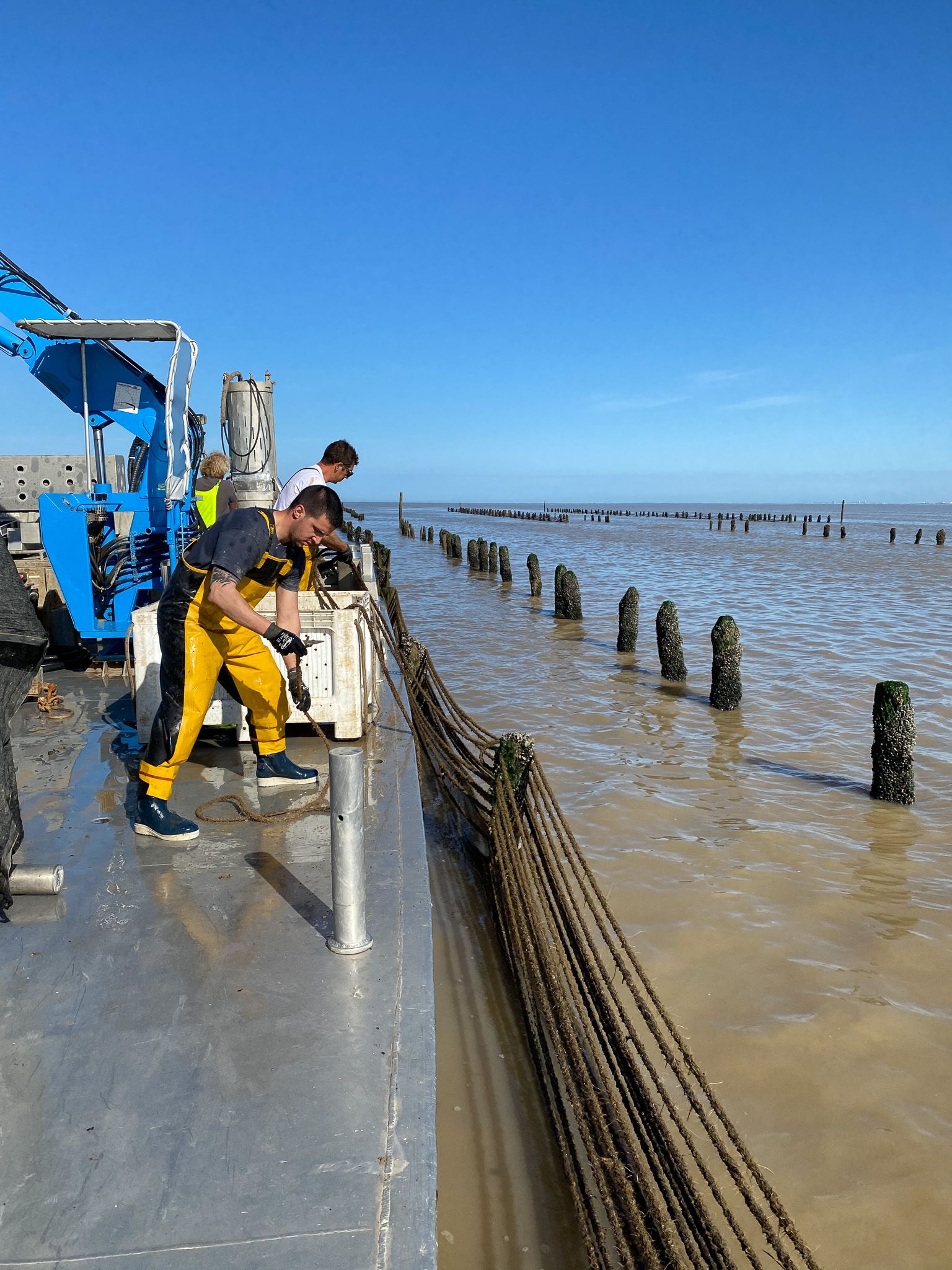
Grown in open water, rope-grown mussels develop while suspended on submerged ropes attached to floating lines. This deep-water farming method allows mussel farmers to diversify their production, complementing the traditional bouchot system.

What’s the difference?

The growing period varies between the two methods, offering a longer harvesting season and a distinctive range of flavours.

Whether on offshore longlines or on the coastal bouchot beds, farming techniques adapt to the seasons and environmental conditions. Mussels grow slowly, nourished by the rich, well-mixed waters of the pertuis, carefully monitored, tended, and protected. A truly sustainable form of agriculture that is 100% local and 100% natural.

En savoir-plus

The Mussel Farming Museum

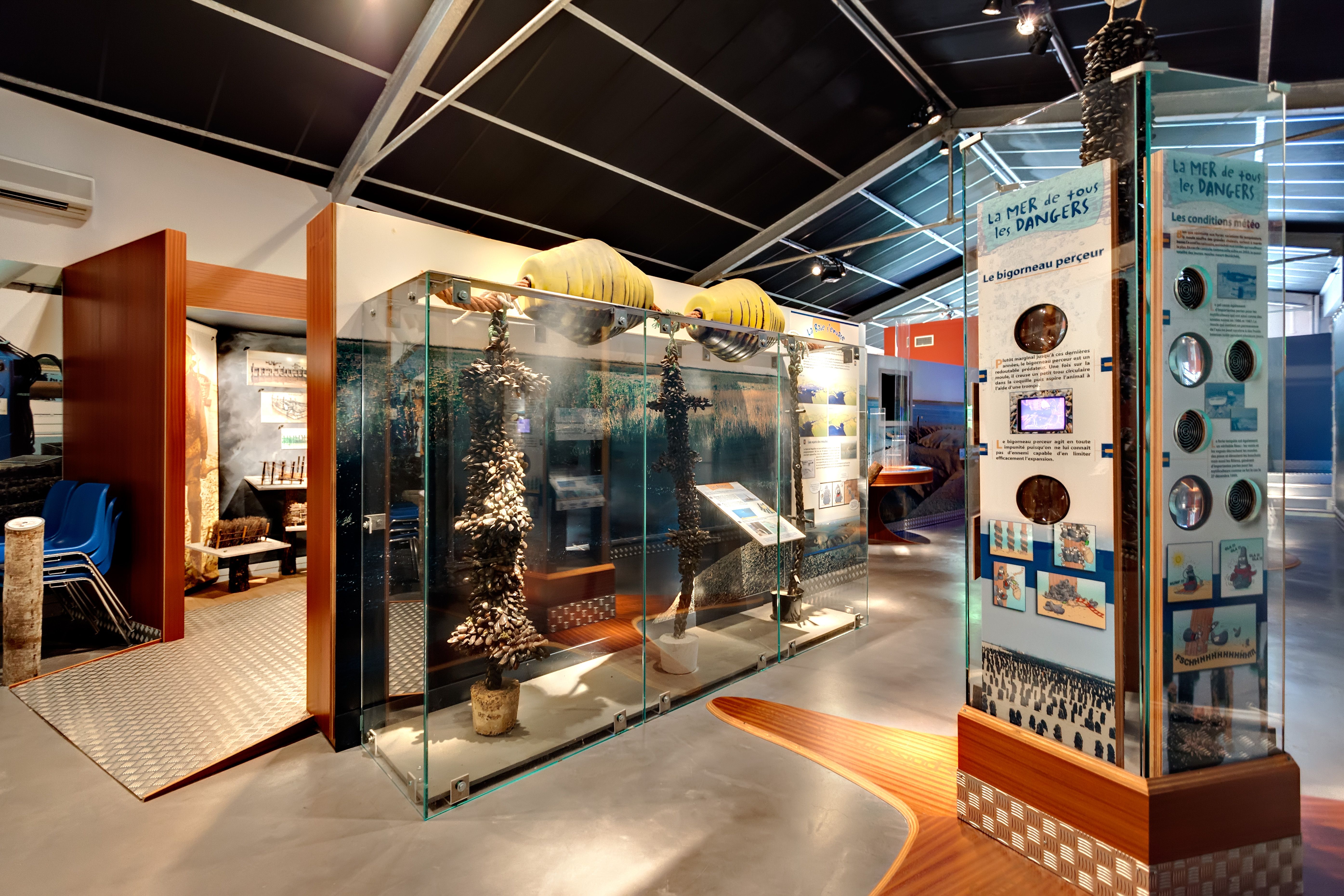
To continue exploring the subject, make a stop at the Mussel Farming Museum in Esnandes. Located within the Marais Poitevin Bay Visitor Centre, this site retraces the history of mussel farming along the Charente coastline and highlights the work of mussel farmers, past and present.

Models, tools, personal accounts, and interactive displays help visitors better understand farming techniques, the evolution of the profession, and the close bond between local communities and an environment shaped by the tides. A fascinating visit that offers a different perspective on one of the region’s most emblematic traditions.

Experiencing it… differently

Encounters, huts, villages

Walking or cycling from the authentic village of Les Boucholeurs near Châtelaillon-Plage to the edges of the Marais Poitevin, follow in the footsteps of the men and women who cultivate mussels as one would tend a garden. Observe the bouchot beds, visit a farm, and talk with a mussel farmer. Here, there is no folklore, just an honest immersion into a world where humans remain humble in the face of the sea.

“We never dominate the ocean. We learn to live in harmony with it. And that is the beauty of our work”

Claire, mussel farmer

Did you know?

Mussels are rich in protein (20 g per 100 g) while being low in fat and carbohydrates (3 g). They are true nutritional treasures, ranking among the foods richest in calcium, magnesium, iron, zinc, and selenium. They also provide vitamins B8, B12, and E, which, with their anti-anaemic properties, help maintain healthy skin and support proper nervous system function.

Mussels produce a byssus, a set of fine hair-like fibres that allows them to attach themselves to rocks or wooden stakes. You can avoid the process of de-bearding—removing these filaments before cooking—by choosing “ready-to-cook” mussels, meaning they have already been cleaned and prepared.

Recipes

Cooking mussels

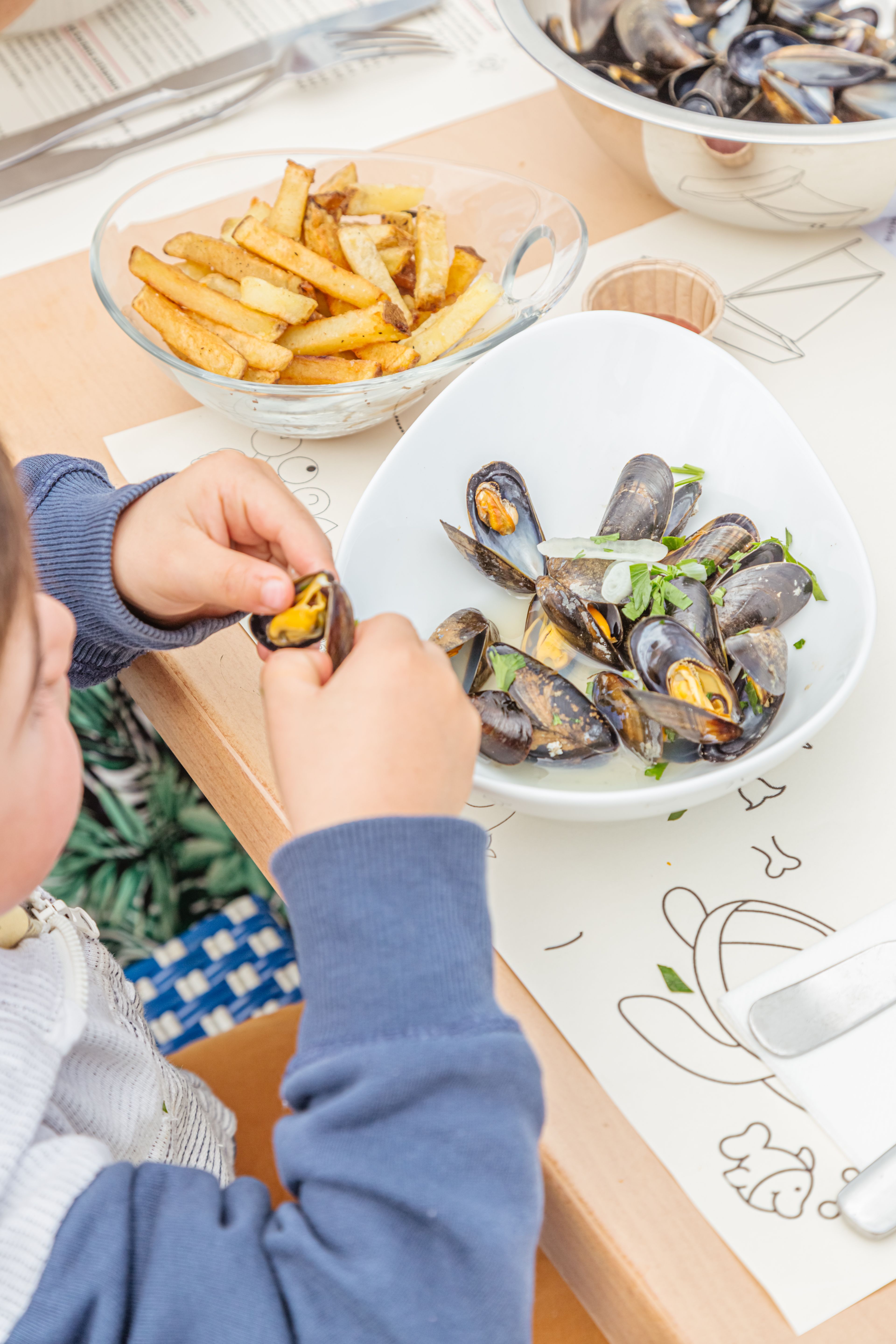
Choose fresh, local, and seasonal mussels: it is better for your palate and better for the planet. In Charente-Maritime, mussels are mainly in season from June to November. It is best to avoid imported products out of season, as they travel thousands of kilometres and do not offer the same freshness or carbon footprint benefits.

Mussels should be consumed within 48 hours of purchase. Store them in the lower part of the fridge, out of plastic, wrapped in a damp cloth. Once cooked, they can be kept for an additional 1 to 2 days. And leftovers? Think zero-waste recipes: cold mussels in salads or baked mussel gratins.

Before cooking, there is no need to soak them in fresh water for long. A quick rinse and a simple sort—discarding any open mussels that do not close when tapped—is all that is needed.

Thematic